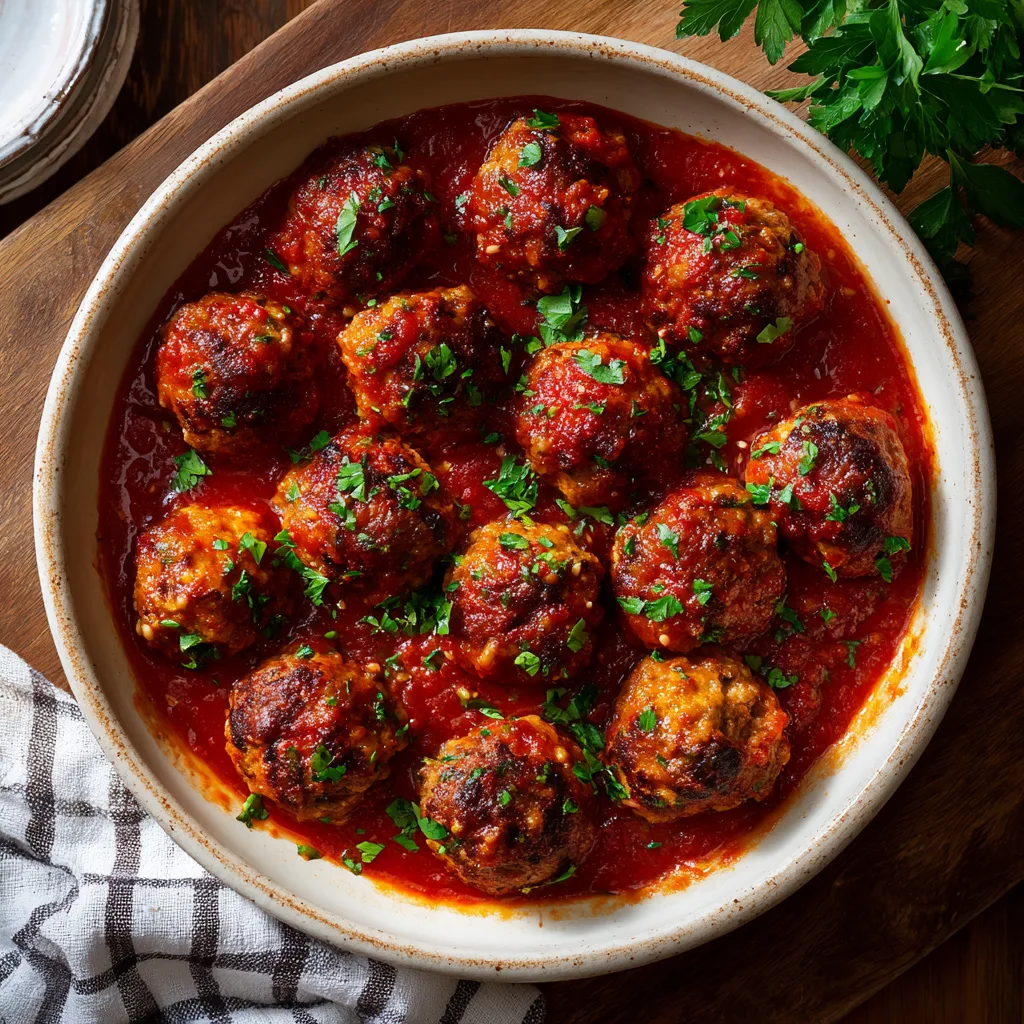
The Secret to Flavorful Porcupine Meatballs: Ingredients & Serving Ideas
There are some recipes that simply stand the test of time, weaving their way into family traditions and culinary hearts. Among these cherished dishes,
porcupine meatballs hold a special place. More than just a quirky name, these humble yet profoundly satisfying ground beef and rice orbs, lovingly simmered in a rich tomato sauce, carry a secret – a secret to unparalleled flavor that has delighted generations. Forget bland, forget dry; we're talking about a culinary experience that’s both comforting and clever. If you’ve ever wondered how to achieve that perfect balance of tender meat, perfectly cooked rice, and an irresistible sauce, you're in the right place. Join us as we uncover the essential ingredients and ingenious techniques that elevate simple porcupine meatballs into a dish that's truly unforgettable.
What Makes Porcupine Meatballs a Timeless Classic?
The charm of porcupine meatballs isn't just in their amusing name, derived from the way uncooked rice grains emerge from the cooked meatballs, giving them a slightly spiky, 'porcupine-like' appearance. Their enduring popularity stems from a perfect trifecta of qualities: they are
easy to make, incredibly
budget-friendly, and undeniably
delicious. This dish rose to prominence during the challenging times of the Great Depression, a testament to its ingenious use of readily available and economical ingredients to create a hearty, filling meal. It allowed families to stretch a small amount of meat much further, making it a staple on dinner tables across America.
Today, that same wisdom holds true. In an era where both time and money are precious commodities, porcupine meatballs continue to offer a no-fuss, high-reward solution for busy weeknights. They evoke a sense of nostalgia for many, reminiscent of simpler times and home-cooked comfort, yet remain entirely relevant for the modern family seeking wholesome, satisfying meals without breaking the bank. The magic truly happens as the rice cooks directly within the savory tomato sauce, absorbing every nuance of flavor from the meat drippings and the rich liquid, transforming into a tender, integrated component rather than just a filler.
The Essential Ingredients for Unforgettable Flavor
While the concept of porcupine meatballs is delightfully straightforward – ground beef, rice, and tomato sauce – the true secret to their unparalleled flavor lies in understanding the role each ingredient plays and selecting them wisely. It's the thoughtful combination and interplay of these humble components that transforms them from a simple meal into a memorable culinary experience.
- Ground Beef: The Heart of the Meatball
The foundation of any great meatball is, of course, the meat. For porcupine meatballs, selecting the right ground beef is paramount. We recommend an 80/20 blend (80% lean, 20% fat). The fat content isn't just about juiciness; it's a carrier of flavor and prevents the meatballs from drying out during their extended simmer. As the meatballs cook, this fat renders, enriching the sauce and ensuring the rice absorbs a deep, savory essence.
- Uncooked Rice: The Prickly Secret & Flavor Sponge
This is where the 'porcupine' gets its name! Using uncooked rice, typically long-grain white rice, is a game-changer. Rather than being pre-cooked and simply mixed in, the raw rice cooks directly in the simmering tomato sauce, absorbing all the delicious liquids and beef drippings. This process ensures every grain is infused with flavor, creating a hearty texture that stretches the meat and makes the dish incredibly economical.
- Whole Milk: For Tenderness and Richness
Often overlooked, whole milk (or even buttermilk for a tangier touch) is a crucial ingredient for a truly tender meatball. It softens the meat mixture, adds a subtle creaminess, and contributes valuable fat and a hint of sweetness. This liquid also helps to bind the mixture without making it dense, resulting in a more delicate texture.
- Aromatic Vegetables & Seasonings: Building the Flavor Base
- Chopped White Onion: Provides a foundational sweetness and savory depth. Finely chopping it ensures it integrates seamlessly into the meatballs.
- Celery Salt & Garlic Salt: These aren't just about adding salt. Celery salt introduces a subtle, herbal earthiness, while garlic salt amplifies the savory notes of the beef, creating a more complex flavor profile.
- Salt & Ground Black Pepper: Essential flavor enhancers. Salt brightens all other ingredients, and fresh black pepper adds a mild warmth and a touch of piquant bitterness that beautifully complements the rich meat and sauce.
- Worcestershire Sauce: The Umami Powerhouse: A few dashes of Worcestershire sauce are a non-negotiable secret weapon. Its fermented base brings an incredible depth of umami, along with a subtle fruity acidity that cuts through the richness and adds a sophisticated layer of flavor.
- Fat for Searing & Sauce Enhancement (Shortening or Unsalted Butter):
A small amount of shortening or unsalted butter, used to brown the meatballs initially, does more than just prevent sticking. It helps develop a flavorful crust on the meatballs and contributes to the richness of the final sauce. This added fat helps thicken the sauce, allowing it to cling beautifully to the meatballs.
- Tomato Sauce & Water: The Simmering Medium
The tomato sauce isn't just a covering; it's the cooking medium that imparts so much flavor. A good quality plain tomato sauce forms the savory base. Water (or beef broth for extra flavor) is then added to achieve the right consistency for simmering, ensuring the rice has ample liquid to cook in without the sauce becoming too thin. Some recipes might even call for a touch of brown sugar or maple syrup to balance the acidity of the tomatoes and add another layer of depth.
Understanding these roles helps you appreciate the culinary alchemy that turns simple ingredients into an extraordinary meal.
Mastering the Art of Cooking Porcupine Meatballs
The beauty of porcupine meatballs lies in their versatility, offering both stovetop simmering and oven-baked convenience. Regardless of your chosen method, the core principle remains the same: allowing the uncooked rice to gently cook within the flavorful tomato sauce.
For a classic, deeply infused flavor, many purists swear by the
stovetop method. This involves browning the meatballs first to develop a rich, caramelized crust, then nestling them in the sauce and simmering them slowly, covered, until the rice is tender and the flavors have melded. The slow simmer ensures the rice fully absorbs the savory liquids, resulting in that signature hearty-yet-light texture.
The
oven-baked method offers a hands-off approach. After browning (optional but recommended for flavor), the meatballs are baked in the sauce, allowing for even cooking and a consistent temperature. This can be particularly convenient for larger batches or when you prefer not to monitor a stovetop.
Whichever method you choose, here are a few tips for success:
- Don't Overmix: When forming the meatballs, mix the ingredients just until combined. Overmixing can lead to tough meatballs.
- Uniform Size: Aim for meatballs of similar size to ensure even cooking. A small ice cream scoop can be helpful here.
- Sufficient Sauce: Ensure there's enough sauce and liquid (water or broth) for the rice to cook properly. The meatballs should be mostly submerged.
- Low and Slow: Patience is key. A gentle simmer allows the rice to cook perfectly and the flavors to deepen without scorching the sauce or drying out the meatballs.
For a detailed step-by-step guide on both stovetop and oven cooking methods, be sure to check out our comprehensive
Easy Porcupine Meatball Recipe: Stovetop & Oven Methods for Budget Meals.
Creative Serving Ideas to Elevate Your Meal
One of the many joys of porcupine meatballs is their incredible versatility at the dinner table. Far from being a one-trick pony, they can be adapted to suit almost any occasion, from a casual family dinner to a more festive gathering.
- Classic Comfort Over Carbs: The most popular way to enjoy porcupine meatballs is nestled over a bed of fluffy white rice, mashed potatoes, or your favorite pasta (spaghetti, egg noodles, or even polenta work wonderfully). The savory sauce is perfect for coating every strand or grain.
- Appetizer Extravaganza: For parties or potlucks, serve smaller porcupine meatballs with toothpicks as a delightful and hearty appetizer. They're always a conversation starter!
- Sub Sandwich Sensation: Transform them into a satisfying sub sandwich. Simply pile a few meatballs and plenty of sauce into a crusty roll, perhaps with a sprinkle of mozzarella cheese for an extra layer of indulgence.
- Deconstructed Dinner Bowl: Create vibrant dinner bowls by serving the meatballs and sauce alongside steamed green beans, roasted broccoli, or a fresh side salad. This adds crunch and nutritional balance.
- Creative Twists:
- Taco Bowls: Serve them in hard taco shells or lettuce cups with a dollop of sour cream and a sprinkle of cilantro for a unique fusion.
- Stuffed Peppers: Hollow out bell peppers, fill them with a meatball or two, top with sauce, and bake until tender.
- Breakfast Hash: Leftover meatballs can even be chopped and combined with potatoes and onions for a savory breakfast hash!
The possibilities truly are endless, demonstrating why these flavorful meatballs remain a beloved staple in countless homes.
Smart Storage & Reheating for Maximum Enjoyment
One of the most practical aspects of porcupine meatballs is how wonderfully they store and reheat, making them an ideal candidate for meal prepping or enjoying leftovers throughout the week. Their robust flavor often deepens after a day or two, making them even more delicious the second time around.
- Refrigerator Storage: Leftover porcupine meatballs can be stored in an airtight container in the refrigerator for up to three days. When ready to enjoy, simply reheat them gently in the microwave or on the stovetop over low heat, adding a splash of water or broth if the sauce has thickened too much.
- Freezing for Future Feasts: Porcupine meatballs are excellent for freezing, offering a convenient solution for quick meals down the line. You have a couple of options:
- Freezing Cooked Meatballs: Once cooked and cooled, arrange the meatballs in a single layer on a baking sheet and flash freeze them for a few hours or overnight until solid. This prevents them from sticking together. Once frozen, transfer them to a freezer-safe container or heavy-duty freezer bag, labeling with the date. They will keep well for up to three months. To reheat, you can warm them directly from frozen in the microwave or on the stovetop, again adding a little liquid if needed.
- Freezing Uncooked Meatballs: For ultimate convenience, you can also freeze the porcupine meatballs before cooking them. Form the meatballs, flash freeze them, then store them in a freezer-safe container. When you're ready to cook, simply add them directly from frozen to your simmering tomato sauce on the stove. This method requires a slightly longer cooking time but means a truly fresh-tasting meal with minimal effort.
Having a batch of porcupine meatballs ready to go, whether refrigerated or frozen, means you're always just minutes away from a comforting and flavorful meal, proving their worth as a true kitchen hero.
From their humble origins during the Great Depression to their esteemed status as a modern family favorite,
porcupine meatballs are a testament to how simple ingredients, thoughtfully combined, can create culinary magic. The secret to truly flavorful porcupine meatballs isn't just one ingredient or technique, but a harmonious blend: the right ground beef for richness, uncooked rice as a flavor sponge, tenderizing milk, a symphony of aromatics and seasonings including that all-important Worcestershire sauce, and a gentle simmer in a robust tomato base. They are more than just a meal; they're a warm hug on a plate, a clever solution for budget-conscious cooking, and an incredibly versatile dish that can adapt to any occasion. So, whether you're new to this classic or looking to perfect your family's beloved recipe, embrace the art of the porcupine meatball. You'll soon discover why this delightful dish truly stands the test of time, bringing warmth, comfort, and undeniable flavor to your table for years to come.