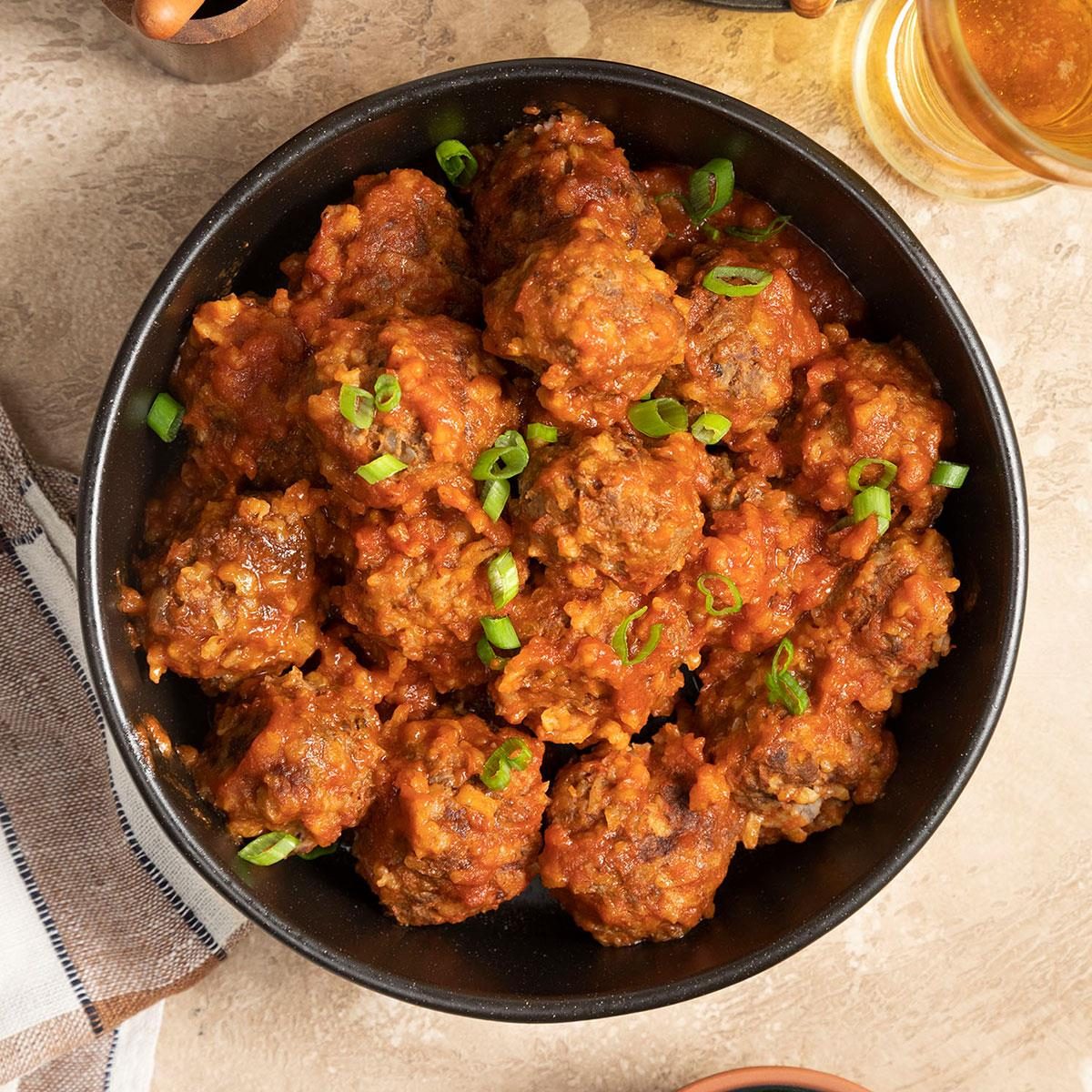
In the culinary landscape, some dishes are more than just meals; they are edible time capsules, rich with history, comfort, and ingenuity. Porcupine meatballs are a prime example. This Depression-era classic, with its whimsical name and surprisingly sophisticated flavor, has transcended generations to become a beloved fixture on family dinner tables. Far from being a mere relic, these ground beef and rice balls, simmered in a savory tomato sauce, offer a perfect blend of economy, ease, and mouth-watering deliciousness that makes them as relevant today as they were nearly a century ago.
Often passed down through family recipes, like the one cherished by a family since 1970, porcupine meatballs represent the heart of home cooking: straightforward ingredients transformed into something truly special. The clever inclusion of uncooked rice, which swells and protrudes during cooking, gives these savory spheres their distinctive "prickly" appearance, much like their namesake. But don't let the charming visuals distract you; it's the deeply satisfying flavor and comforting texture that ensure their lasting appeal.
A Taste of History: Why Porcupine Meatballs Endured
The story of porcupine meatballs is deeply rooted in necessity and resourcefulness. Emerging as a staple during the Great Depression, this dish was a testament to the power of making much from little. Families during this challenging era needed meals that were not only filling but also incredibly budget-friendly, utilizing readily available and inexpensive ingredients.
Ground beef, a relatively affordable protein, was ingeniously stretched further with the addition of uncooked rice. This simple technique served a dual purpose: it made the meal more economical, allowing families to feed more mouths with less meat, and it also introduced a unique texture that made the dish hearty without being heavy. The humble tomato sauce, another pantry staple, provided a flavorful cooking medium that infused every grain of rice and every bite of meatball with rich, savory goodness.
Fast forward to today, and the reasons for their enduring popularity haven't changed much. Modern families, often juggling busy schedules and tighter budgets, still gravitate towards meals that are easy to prepare, satisfying, and kind to the wallet. Porcupine meatballs fit this bill perfectly, offering a comforting antidote to the complexities of modern life. They’re a clever, comforting weeknight dinner that feels both nostalgic and refreshingly practical, proving that true culinary genius often lies in simplicity.
The Magic Behind the "Prickly" Perfection: Key Ingredients & Flavor Profile
The allure of porcupine meatballs lies in the harmonious interplay of a few core ingredients, each playing a vital role in creating that signature look and irresistible flavor. Understanding these components is key to mastering this classic dish.
Core Components:
- Ground Beef: The foundation of the meatballs, ground beef provides a robust, satisfying flavor. For optimal results, an 80/20 blend (80% lean, 20% fat) is often recommended. The fat content is crucial; it prevents the meatballs from drying out during the simmering process and contributes essential flavor to the rice and sauce.
- Uncooked Rice: This is where the "porcupine" magic happens. Using uncooked rice allows it to absorb all the savory beef drippings and rich tomato sauce as it cooks. As the rice swells, it creates the dish's iconic spiky texture while simultaneously stretching the meat, making the meal more economical and delightfully hearty. Long-grain white rice is typically preferred for its consistent cooking and distinct texture.
- Tomato Sauce: The backbone of the dish's flavor, tomato sauce serves as both a cooking liquid for the rice and a luscious coating for the meatballs. It reduces down during simmering, intensifying its flavor and creating a delicious, clingy sauce.
Enhancing the Flavor:
While the core ingredients are simple, a thoughtful selection of supporting elements elevates the flavor profile from good to truly exceptional:
- Whole Milk: Added to the meat mixture, milk helps to soften the beef, contributing to a more tender meatball. It also adds a subtle creaminess, a touch of fat, and a hint of sweetness that rounds out the savory notes.
- Chopped White Onion: Fresh onion provides a delicate sweetness and a crucial savory depth that complements the beef beautifully.
- Salt, Celery Salt, & Garlic Salt: This trio of salts is more than just seasoning. Plain salt enhances overall flavors, celery salt introduces a subtle herbal note, and garlic salt infuses the mixture with aromatic savory goodness, all working in concert to heighten the taste of the beef and balance the other ingredients.
- Ground Black Pepper: A dash of black pepper provides a mild warmth and a slight bitterness that pairs wonderfully with the rich, savory components.
- Worcestershire Sauce: A powerhouse of umami, Worcestershire sauce adds a layer of complex, savory depth and a subtle fruity acidity that brightens the entire dish, preventing it from tasting flat.
- Shortening or Unsalted Butter: Used to sauté, this adds fat content, which contributes to a more luxurious mouthfeel and helps to thicken the sauce, ensuring it beautifully coats each meatball.
The resulting flavor profile is one of deep savoriness, balanced by the gentle tang of tomato, the subtle sweetness of onion and milk, and a comforting warmth from the seasonings. It's a dish that truly satisfies, hitting all the right notes for a comforting family dinner.
Crafting Your Own Porcupine Meatballs: Tips for Success
While porcupine meatballs are celebrated for their simplicity, a few expert tips can ensure your batch turns out perfectly every time, maximizing flavor and texture.
1. Don't Overmix the Meatball Mixture:
When combining the ground beef, uncooked rice, and seasonings, resist the urge to overmix. Overworking the meat can lead to tough, dense meatballs. Mix just until the ingredients are well combined, then gently form them into uniform balls. Aim for a consistent size so they cook evenly.
2. Choose the Right Rice:
Long-grain white rice is generally preferred for porcupine meatballs. Its individual grains hold their shape well and provide the distinct "prickly" texture once cooked. Avoid instant rice, which will cook too quickly and may result in a mushy texture, or brown rice, which requires a much longer cooking time than the beef. Rinsing the rice before adding it to the mixture can also help remove excess starch, leading to better-defined grains.
3. Master the Sauce Consistency:
The tomato sauce is not just a flavor agent; it's also the medium in which the rice cooks. You'll want a sauce that's thick enough to cling to the meatballs but thin enough to allow the rice to fully absorb liquid and expand. The addition of water, as specified in many recipes, helps achieve this balance. Taste your sauce before adding the meatballs and adjust seasonings (salt, pepper, a touch more Worcestershire) as needed. Remember, the flavors will concentrate as it simmers.
4. Embrace Both Stovetop and Oven Methods:
Many recipes, including cherished family heirlooms, offer both stovetop and oven cooking methods. Both yield delicious results with slightly different benefits.
- Stovetop: Simmering on the stovetop allows for greater control over the sauce reduction and ensures the rice absorbs every bit of savory goodness. It also allows for easier browning of the meatballs beforehand for extra flavor depth.
- Oven: Baking in the oven offers a more hands-off approach, perfect for busy evenings. The meatballs cook gently in the sauce, resulting in tender, evenly cooked spheres. For a detailed guide on both approaches, check out our Easy Porcupine Meatball Recipe: Stovetop & Oven Methods for Budget Meals.
5. Don't Skimp on Seasoning:
Even with simple ingredients, proper seasoning is paramount. The blend of salts (regular, garlic, celery) along with pepper and Worcestershire sauce provides layers of flavor. Don't be afraid to adjust these to your family's preference. A little extra umami from Worcestershire or a pinch more garlic salt can make a world of difference.
Beyond the Plate: Versatile Serving & Storage Solutions
One of the many charms of porcupine meatballs is their incredible versatility, both in how they can be served and how easily they can be stored and reheated.
Endless Serving Possibilities:
- Classic Main Course: The most common way to enjoy porcupine meatballs is nestled over a bed of fluffy white rice or your favorite pasta. The rich tomato sauce pairs beautifully with both, making for a truly satisfying meal.
- Hearty Sub Sandwiches: For a delicious twist, spoon the meatballs and sauce into toasted sub rolls, perhaps with a sprinkle of mozzarella or provolone cheese, for a comforting sandwich experience.
- Appetizer with a Twist: For a party or casual gathering, serve smaller porcupine meatballs with toothpicks. They make an intriguing and flavorful appetizer that's sure to spark conversation.
- Comforting Sides: Pair them with creamy mashed potatoes to soak up every drop of sauce, or alongside a simple green salad and some crusty bread for a complete meal.
Smart Storage & Reheating:
Porcupine meatballs are fantastic for meal prep and make-ahead dinners, thanks to their excellent storage capabilities.
- Refrigeration: Leftovers can be stored in an airtight container in the refrigerator for up to three days. They reheat beautifully in the microwave for individual portions or gently on the stovetop over low heat until warmed through. Add a splash of water or broth if the sauce has thickened too much.
- Freezing Cooked Meatballs: This is where they truly shine for long-term meal planning.
- Flash Freeze: Arrange the cooked and cooled porcupine meatballs in a single layer on a baking sheet. Flash freeze them for a few hours or even overnight until solid. This prevents them from sticking together.
- Transfer & Store: Once frozen, transfer the solid meatballs to a freezer-safe container or a heavy-duty freezer bag. They can be stored in the freezer for up to three months.
- Reheating from Frozen: To reheat, simply place the frozen meatballs (and sauce, if frozen together) in a saucepan on the stovetop over low heat, or bake them in a covered dish in the oven until thoroughly heated.
- Freezing Uncooked Meatballs: You can also prepare the meatball mixture, form the balls, and then freeze them before cooking. Lay them on a baking sheet to flash freeze, then transfer to a freezer-safe bag. When ready to cook, simply drop the frozen meatballs directly into your simmering tomato sauce on the stovetop and cook from frozen, adding a bit more time for them to cook through. This is an excellent method for quick weeknight meals!
Porcupine meatballs are more than just a historical recipe; they are a timeless testament to flavorful, economical cooking that brings families together. Whether you're drawn to their nostalgic charm, their budget-friendly nature, or simply their undeniable deliciousness, this dish promises to be a satisfying addition to your culinary repertoire. From their Depression-era origins to their modern-day appeal, porcupine meatballs continue to deliver comfort, taste, and practicality in every single prickly bite.
